

The latest


While most longtime dog lovers have experienced the heartache of losing a four-legged family member, few know what it’s like to lose one to an…


More than 500 guinea pigs were saved from becoming meals for birds of prey as one Northern Colorado rescue took in what they say is their larg…


Grazing goats have returned to Bear Creek Regional Park, hungry and ready to do their part in limiting the risk of wildfires in Colorado Springs.


An attentive audience watched three children each pick out a favorite book and plop down on the carpeted floor to read aloud to their guests T…


Dogs are not people, we must remember, even though we Coloradans often treat them as such with our doggie bars, doggie hotels, and doggie spas.

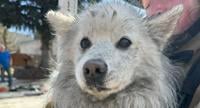
Although the Colorado Springs Fire Department is here to protect the public first, firefighters are now better equipped to assist furry, four-…


The Colorado Equine Veterinary Services clinic near Peyton was leveled by a fire early Monday morning.
Popular
Sign Up for free: Peak Interest
Your weekly local update on arts, entertainment, and life in Colorado Springs! Delivered every Thursday to your inbox.


As frigid temperatures sweep across Colorado, it's important to take precautions to protect pets during the frosty winter months.

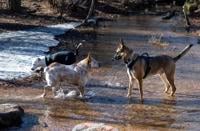
Colorado Springs dog owners might be relieved to know that cases of the mysterious respiratory illness that hit the region last fall are in de…


It's no secret that many Coloradans are big dog lovers, and because of that, many spots around the state cater to these four-legged companions…

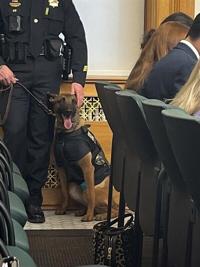
A bill that modifies the Class 4 felony for harming or killing a law enforcement animal is moving forward in the Colorado House.

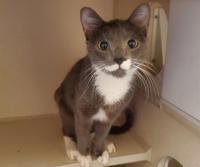
Some Colorado lawmakers want to require facilities that use animals for health-related research to transfer dogs and cats deemed in good healt…

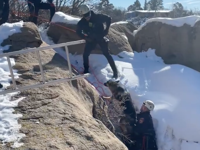
A dog was reunited with his family after getting stuck in rocky terrain in northeast Colorado Springs.

It's safe to say a proposed Colorado pet registry bill ruffled a few feathers.



A bill that would have required Colorado residents to pay an annual pet registration fee or face steep penalties for not doing so is dead, acc…


The Humane Society of the Pikes Peak Region has more dogs than they have kennels.


If your pet’s name is “Bella” or “Luna”, you just might have a little trouble finding your dog in a crowd at the dog park.


Colorado Springs Police dog Donut and her handler will be providing security at the Super Bowl this year, the CSPD announced.

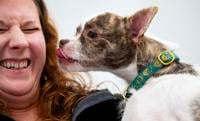
While the Broncos won't be in Super Bowl LVIII, Colorado residents can look forward to cheering on a local, more furry celebrity for a differe…

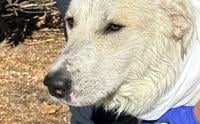
Colorado Springs firefighters helped pull a chilly canine from icy water in Nancy Lewis Park on Tuesday.


In one of the National Mill Dog Rescue's most recent rescue runs at the end of 2023, the team saved more than 200 dogs, including the 20,000th…


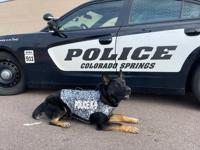
One of the Colorado Springs Police Department's K-9 units has received new gear, thanks to a charitable donation.

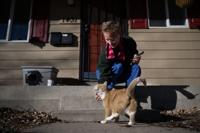
Mieke Lippstreu had just moved to Denver when she met Ramen.


As the world found out during the COVID-19 pandemic, infectious illness can be hard on businesses that rely on in-person clients. Now that cas…

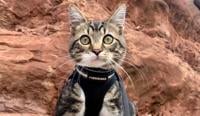
When Jamie Brunworth goes to the door with a harness in hand, Marlin knows it's time for another venture.

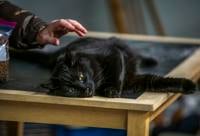
Visitors can meet, greet and cuddle with up to 15 cats at a time at The Biscuit Factory, a new cat café on the westside. Cat lovers pay a $9-$…

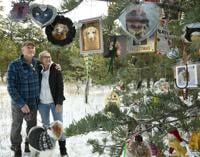
Along a snowy trail in a pine forest north of Colorado Springs, Istvan and Marietta Arany stop at a tree.

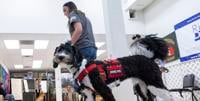
Energetic and eager, a young lanky sheepadoodle, practiced coming through a free standing doorway again and again with his owner Emma Dwyer. "…
 Your Privacy Choices